
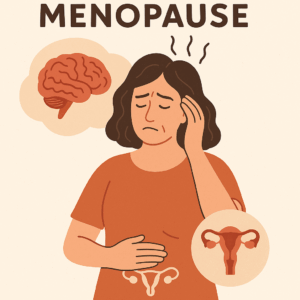
As women move through perimenopause and menopause, the body undergoes major hormonal shifts that affect far more than hot flashes or irregular cycles. One of the most concerning changes many women notice is the effect on memory, focus, and overall brain function. It’s extremely common to feel forgetful, mentally foggy, or slower with recall and for many women, this brings up a bigger fear:
Is this menopause, or is it dementia?
The connection between menopause and brain health is real. Estrogen plays a major role in protecting the brain. It supports blood flow, reduces inflammation, helps nerve cells communicate, and affects memory and mood. When estrogen declines, the brain feels the impact. Some women experience temporary cognitive changes that improve over time, while others may worry about long-term risks such as dementia.
What’s important to understand is this: menopause itself does not cause dementia, but the hormonal drop can unmask or accelerate symptoms in women who are already at risk. Studies show that women are more likely than men to develop dementia, and part of this difference may come from how sharply estrogen falls during menopause.
Sleep issues, depression, anxiety, chronic stress, and poor blood sugar control, all of which can worsen during menopause, also affect memory and can mimic dementia symptoms. Treating these underlying problems often improves cognitive function.
One thing that often gets overlooked is how genitourinary changes during menopause affect brain health indirectly. Vaginal dryness, painful intercourse, urinary urgency, and recurrent infections can cause chronic sleep disruption, stress, low mood, and inflammation. All of these affect the brain more than most women realize. Vagina and bladder symptoms wear on the nervous system over time, and poor sleep alone can erode memory and focus.
This is where vaginal estrogen becomes an important tool. It’s a local treatment with one of the safest profiles in women’s health. It restores the vaginal lining, improves blood flow, reverses dryness, reduces infections, and strengthens bladder tissue. When these symptoms improve, women sleep better, experience less pain, feel more comfortable sexually, and have lower inflammation, all of which support better cognitive function.
While vaginal estrogen is not a treatment for dementia and is not meant to prevent it, it plays a crucial role in overall quality of life during menopause. Protecting pelvic health reduces the stress load on the body, improves sleep, stabilizes mood, and helps women feel more like themselves again, which all matter for brain clarity.
Menopause is a time when women must take their brain health seriously, but also understand that memory changes are common and often reversible. Addressing sleep, stress, cardiovascular health, hormones, and pelvic health all contribute to long-term cognitive wellness. Vaginal estrogen is one of the simplest and safest therapies available to support women through these transitions.
Menopause is not the end of your sharpness, your memory, or your identity. With the right supports, including something as straightforward as vaginal estrogen — women can protect their health and maintain strong cognitive function as they age.